
Posted on March 25, 2026 by International Advisory Council
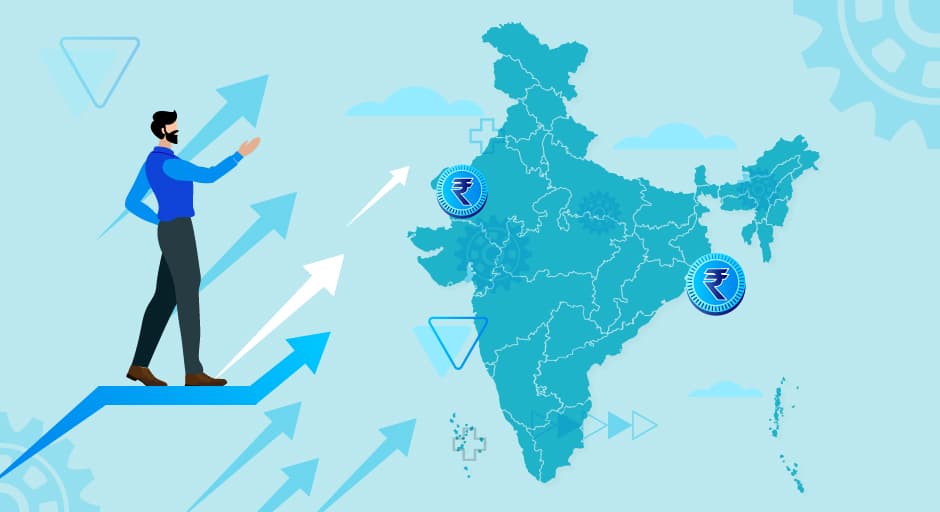
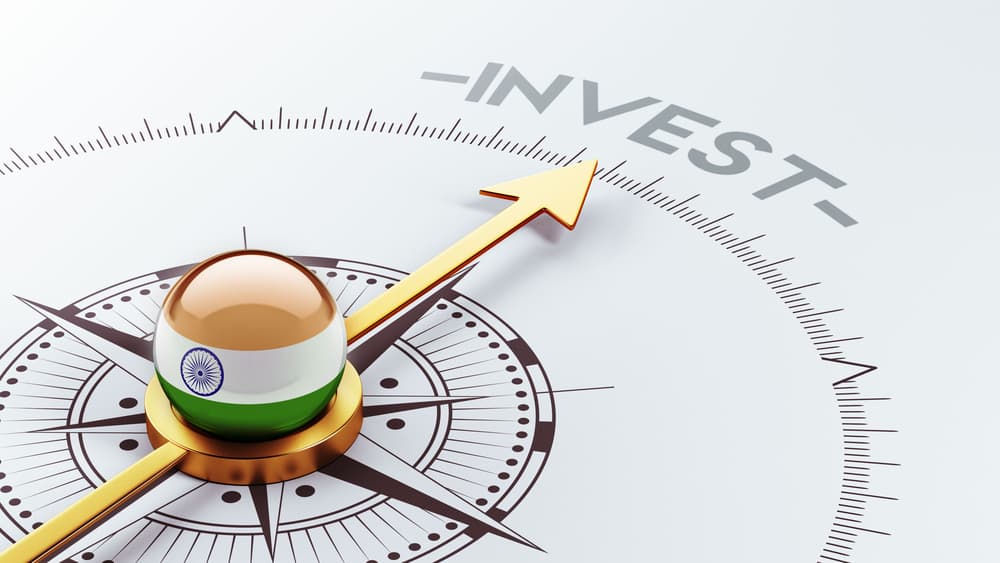
India’s growing outbound investment footprint is reshaping the global investment promotion landscape. As Indian companies expand across sectors such as technology, manufacturing, healthcare and energy, Investment Promotion Agencies (IPAs) and Economic Development Boards (EDBs) are increasingly competing to attract this capital.
However, the nature of this competition is evolving. Traditional investment promotion strategies built around generic outreach and incentive-led messaging are no longer sufficient. In 2026, attracting Indian capital requires a more targeted, relationship-driven and execution-focused approach.
Indian companies today are more global in their outlook than ever before. Driven by market diversification, access to technology and supply chain integration, firms are actively exploring expansion opportunities across Asia, Europe, the Middle East and Africa.
Unlike earlier waves, Indian outbound investors are now:
This shift requires IPAs to move beyond awareness-building toward deeper engagement models.
One of the most significant changes in investment promotion is the move toward precision targeting. Indian companies expect tailored value propositions aligned with their sector, scale and strategic priorities.
Leading IPAs are responding by:
This targeted approach significantly improves conversion rates compared to broad-based promotion.
Sustained in-country presence is becoming a critical differentiator. IPAs that maintain active engagement within India through representatives, partnerships, or advisory platforms are better positioned to build long-term relationships with investors.
Effective in-country engagement enables:
In many cases, the ability to stay consistently visible in the market directly influences investment decisions.
Attracting an initial investment is only the first step. Indian companies place high value on post-investment support, particularly in navigating early-stage operational challenges.
IPAs that offer strong aftercare benefit from:
This lifecycle approach transforms one-time investments into long-term economic partnerships.
While incentives remain relevant, they are no longer the primary differentiator. Indian investors increasingly prioritise:
Destinations that can demonstrate a strong, integrated ecosystem are more likely to attract sustained capital flows.
At the International Advisory Council, we see investment promotion entering a more sophisticated phase. As Indian outbound investment continues to grow, IPAs must evolve from promotional agencies into strategic partners in the investment journey.
The future of investment promotion will be defined by precision, proximity and partnership. Agencies that adopt this model will be best positioned to compete for Indian capital in an increasingly dynamic global landscape.
India’s growing outbound investment footprint is reshaping the global investment promotion landscape. As Indian companies expand across sectors such as technology, manufacturing, healthcare and energy, Investment Promotion Agencies (IPAs) and Economic Development Boards (EDBs) are increasingly competing to attract this capital.
However, the nature of this competition is evolving. Traditional investment promotion strategies — built around generic outreach and incentive-led messaging — are no longer sufficient. In 2026, attracting Indian capital requires a more targeted, relationship-driven and execution-focused approach.
Indian companies today are more global in their outlook than ever before. Driven by market diversification, access to technology and supply chain integration, firms are actively exploring expansion opportunities across Asia, Europe, the Middle East and Africa.
Unlike earlier waves, Indian outbound investors are now:
This shift requires IPAs to move beyond awareness-building toward deeper engagement models.
One of the most significant changes in investment promotion is the move toward precision targeting. Indian companies expect tailored value propositions aligned with their sector, scale and strategic priorities.
Leading IPAs are responding by:
This targeted approach significantly improves conversion rates compared to broad-based promotion.
Sustained in-country presence is becoming a critical differentiator. IPAs that maintain active engagement within India through representatives, partnerships, or advisory platforms are better positioned to build long-term relationships with investors.
Effective in-country engagement enables:
In many cases, the ability to stay consistently visible in the market directly influences investment decisions.
Attracting an initial investment is only the first step. Indian companies place high value on post-investment support, particularly in navigating early-stage operational challenges.
IPAs that offer strong aftercare benefit from:
This lifecycle approach transforms one-time investments into long-term economic partnerships.
While incentives remain relevant, they are no longer the primary differentiator. Indian investors increasingly prioritise:
Destinations that can demonstrate a strong, integrated ecosystem are more likely to attract sustained capital flows.
At the International Advisory Council, we see investment promotion entering a more sophisticated phase. As Indian outbound investment continues to grow, IPAs must evolve from promotional agencies into strategic partners in the investment journey.
The future of investment promotion will be defined by precision, proximity and partnership. Agencies that adopt this model will be best positioned to compete for Indian capital in an increasingly dynamic global landscape.
Subscribe To Indiaʼs Growth Story
Copyright © International Advisory Council. All rights reserved